
Do you need to pass the citizenship English requirement? Many people feel nervous about this step. But the rules are clear and simple. You can prepare well with the right plan.
The citizenship English requirement tests your basic language skills. USCIS checks if you can read, write, and speak simple English. Most applicants pass this test with proper preparation. This guide shows you exactly what to expect and how to succeed.
Attorney Hector Herrera has helped thousands of clients become U.S. citizens. His immigration law firm in Houston has guided applicants through every citizenship step since 2007. The English test is manageable when you know what USCIS looks for. Let’s break down each part so you can prepare with confidence.
Table of Contents
- What Is the Citizenship English Requirement?
- Who Must Take the English Test for Citizenship?
- The Three Parts of the Citizenship English Test
- How to Prepare for the Naturalization English Test
- English Test Exemptions and Modifications
- Common Mistakes That Delay Citizenship Applications
- Your Next Steps After the English Test
What Is the Citizenship English Requirement?
The citizenship English requirement proves you can communicate in basic English. USCIS wants to see that you understand and use simple English in daily life. This requirement applies to most naturalization applicants. The English test happens during your citizenship interview at a USCIS office.
USCIS tests three English skills for citizenship. You must show you can speak, read, and write in English. Each part uses simple words and short sentences. The test does not require perfect grammar or advanced vocabulary. Basic communication skills are enough to pass.
Why USCIS Tests English Skills
English skills help new citizens participate fully in American life. You need English to vote, serve on juries, and understand civic duties. The USCIS naturalization process includes this test to ensure citizenship candidates can function in English-speaking communities.
The citizenship English requirement also connects to the civics test. USCIS officers ask citizenship questions in English during your interview. Your English skills affect how well you answer these naturalization questions. Strong English preparation helps you succeed on both tests.
Basic Standards for the English Test
USCIS expects citizenship applicants to use simple English. You do not need to speak like a native speaker. The English test uses everyday words about common topics. USCIS officers understand that English is your second language for naturalization.
The citizenship English requirement focuses on practical communication. Can you understand basic questions? Can you write simple sentences? Can you read short phrases? If yes, you meet the English standard for citizenship. USCIS designed this naturalization test to be fair and achievable.
Expert Insight from Hector Herrera, Immigration Attorney:
“Most clients worry too much about the citizenship English requirement. USCIS uses very basic words and short sentences. With regular practice, even nervous applicants pass the English test easily.”
Who Must Take the English Test for Citizenship?
Most naturalization applicants must take the citizenship English requirement test. If you file Form N-400 for citizenship, you will likely take this English test. USCIS requires English skills for naturalization unless you qualify for an exemption. The rules depend on your age and time as a permanent resident.
Some citizenship applicants do not take the English test. USCIS grants exemptions based on specific criteria. Age and length of residence create exemptions. Medical conditions also affect English test requirements for some naturalization candidates.
Standard English Test Requirements
Most green card holders take the citizenship English requirement test. If you are under 50 years old, you must show English skills. USCIS tests your English during the naturalization interview. This rule applies to the majority of citizenship applicants each year.
Your time as a permanent resident affects English test requirements. If you have held your green card for fewer than 20 years, you take the English test. Most naturalization applicants fall into this category. The citizenship English requirement is a standard part of becoming a U.S. citizen.
Who Gets Exemptions
USCIS offers citizenship English requirement exemptions for older applicants. If you are 50 or older and have lived as a green card holder for 20 years, you skip the English test. If you are 55 or older with 15 years as a permanent resident, you also get an exemption.
Age 65 offers another modification for citizenship applicants. If you are 65 or older with 20 years as a permanent resident, you take a simpler civics test. You can take this naturalization test in your native language. However, you still need basic English for the citizenship interview itself.
Medical exemptions exist for the citizenship English requirement. Form N-648 documents disabilities that prevent English testing. A doctor must certify that your condition makes the naturalization English test impossible. USCIS reviews each medical exemption request carefully before approving citizenship applications.
Special Citizenship Categories
Some citizenship applicants follow different naturalization rules. Military members may have modified English requirements. Certain victims of domestic violence get special consideration for citizenship. The U.S. citizenship services team can explain which rules apply to your specific naturalization situation.
The Three Parts of the Citizenship English Test
The citizenship English requirement has three sections. USCIS tests speaking, reading, and writing skills during your naturalization interview. Each part uses basic English words and simple sentences. You must pass all three sections to meet the citizenship English requirement.
Speaking Test for Citizenship
The English speaking test starts when your naturalization interview begins. USCIS officers listen to your English throughout the citizenship interview. They evaluate how you answer questions about your Form N-400. This speaking assessment happens naturally during the entire naturalization process.
USCIS officers ask simple questions in English. They might ask about your address, your job, or your family. Your citizenship interview includes questions about your application details. The officer checks if you understand English questions and can answer clearly. Most applicants pass this part easily with basic English skills.
You do not need perfect pronunciation for citizenship. USCIS officers understand accents and language differences. The English speaking requirement focuses on clear communication. Can the officer understand your answers? Can you understand the citizenship questions? That is what matters for naturalization.
Reading Test Requirements
The citizenship English requirement includes a reading test. USCIS gives you three sentences to read aloud. You must read one sentence correctly out of three tries. The English reading test uses simple vocabulary about U.S. history and government.
USCIS provides a list of reading vocabulary for citizenship. The list has about 100 common words for the naturalization test. Words include basic terms like “people,” “vote,” “president,” and “freedom.” You can study these citizenship vocabulary words before your English test.
The English reading test lasts just a few minutes. The USCIS officer shows you a sentence on paper. You read the sentence aloud in English. If you read it correctly, you pass that section. The citizenship reading requirement is very straightforward for most naturalization applicants.
Writing Test for Citizenship
The citizenship English requirement also tests writing skills. USCIS dictates three sentences in English. You must write one sentence correctly out of three tries. The English writing test uses the same basic vocabulary as the reading section.
USCIS provides a writing vocabulary list for citizenship. The list includes simple words about American civics and daily life. Common writing test words include “can,” “citizen,” “Congress,” and “state.” Study these citizenship vocabulary words to prepare for the naturalization writing test.
Your English writing does not need perfect spelling for citizenship. USCIS allows minor spelling mistakes if the meaning is clear. The writing requirement focuses on basic English communication. Can you write a simple sentence about citizenship or American government? Then you likely pass this naturalization test section.
Expert Insight from Hector Herrera, Immigration Attorney:
“The citizenship English requirement uses the same vocabulary for reading and writing. Study that list well. Most clients pass all three English sections on their first try with this focused preparation.”
How to Prepare for the Naturalization English Test
Good preparation makes the citizenship English requirement much easier. Start studying English early, before you file Form N-400. Regular practice builds the English skills you need for citizenship. Most applicants need three to six months of English study for the naturalization test.
Free Resources for English Practice
USCIS offers free citizenship English requirement materials. The USCIS website has reading and writing vocabulary lists. You can download practice sentences for the naturalization English test. These official citizenship resources help you focus your English study time effectively.
Many public libraries offer free English classes for citizenship. Community centers and immigrant organizations also provide naturalization test preparation. These English classes often focus specifically on citizenship vocabulary. Group classes help you practice speaking English with other naturalization applicants.
Online English resources support citizenship preparation too. The USCIS Citizenship Resource Center has videos and practice tests. Many naturalization websites offer free English exercises. Use multiple resources to strengthen your citizenship English skills from different angles.
Creating Your Study Plan
Set a daily schedule for citizenship English requirement practice. Study English for at least 30 minutes every day. Focus on USCIS vocabulary words first. Then practice reading and writing simple sentences about American citizenship and government.
Practice speaking English about your N-400 application. Review your citizenship form and explain your answers in English. Ask a friend or family member to quiz you on naturalization topics. Speaking practice builds confidence for your citizenship interview English conversations.
Use flashcards for citizenship vocabulary words. Write English words on one side and meanings on the other. Test yourself daily on these naturalization terms. Flashcards help you memorize the specific English words USCIS uses most often on citizenship tests.
Testing Your Progress
Take practice tests for the citizenship English requirement regularly. Time yourself reading English sentences aloud. Practice writing dictated sentences about citizenship. Track which English vocabulary words you struggle with during naturalization practice sessions.
Record yourself speaking English about citizenship topics. Listen to your recordings and notice your pronunciation. This English practice helps you improve before the real naturalization interview. Many successful citizenship applicants use this self-assessment method.
Ask an English-speaking friend to conduct mock citizenship interviews. Have them ask typical naturalization questions in English. Practice answering clearly about your background and citizenship application. This English conversation practice reduces anxiety for your real USCIS interview.
Study Materials to Use
Get the official USCIS citizenship flash cards. These cards cover both English vocabulary and civics content for naturalization. The citizenship flash cards are inexpensive and very effective. Many immigrants use them to pass both citizenship tests.
Buy a naturalization study guide that includes English practice. Several publishers offer citizenship test preparation books. Look for guides with reading and writing exercises using USCIS vocabulary. These English study books often include sample naturalization interview questions too.
Consider citizenship preparation apps for your phone. Many free and paid apps offer English practice for naturalization. These citizenship apps let you study English vocabulary anywhere. Daily app practice helps reinforce your citizenship English skills consistently.
English Test Exemptions and Modifications
Some citizenship applicants qualify for English test exemptions. USCIS recognizes that age and medical conditions affect English learning. These naturalization exceptions ensure fairness while maintaining citizenship standards.
Age-Based Exemptions
The 50/20 citizenship exemption helps older naturalization applicants. If you are 50 years old and have held your green card for 20 years, you skip the English test. You still take the civics test, but in your native language. This citizenship exemption recognizes that English learning becomes harder with age.
The 55/15 citizenship exemption works similarly. If you are 55 years old with 15 years as a permanent resident, you get an English test exemption. Your naturalization interview includes the civics test in your preferred language. Many older citizenship applicants benefit from this USCIS exemption policy.
Age 65 brings another citizenship modification. If you are 65 or older with 20 years as a green card holder, you take a simpler civics test. USCIS reduces the citizenship test questions from 100 to just 20 topics. You can take this naturalization civics test in your native language.
Medical Disability Exemptions
Form N-648 requests medical exemptions from citizenship requirements. A licensed medical professional must complete this naturalization form. The doctor explains why your disability prevents English testing or civics testing for citizenship. USCIS reviews N-648 forms carefully before granting citizenship exemptions.
Medical conditions that may support citizenship exemptions include severe learning disabilities. Cognitive impairments that affect English learning qualify. Mental health conditions that prevent naturalization test-taking also qualify. Physical disabilities alone rarely exempt you from the citizenship English requirement unless they prevent communication.
Your doctor must show that your condition is long-term for citizenship exemptions. Temporary illnesses do not qualify for naturalization test waivers. USCIS expects medical documentation proving your disability prevents citizenship English testing. The immigration services team can help determine if you qualify for medical citizenship exemptions.
How to Request Exemptions
Request age-based citizenship exemptions on Form N-400. Check the appropriate box for your age and green card time. USCIS automatically processes these naturalization exemptions when they review your citizenship application. You do not need extra documentation for age exemptions.
Submit Form N-648 with your citizenship application for medical exemptions. Include all required medical records supporting your naturalization exemption request. USCIS may request additional information about your disability. Incomplete N-648 forms cause citizenship application delays.
Be honest about citizenship exemption requests. False medical claims can result in naturalization application denial. USCIS checks N-648 information carefully. Only request citizenship exemptions if you truly qualify under USCIS guidelines.
Common Mistakes That Delay Citizenship Applications
Many citizenship applicants make preventable mistakes. These errors delay naturalization approval or cause English test failures. Understanding common citizenship mistakes helps you avoid them completely.
Waiting Too Long to Prepare
Some people file Form N-400 without English preparation. They assume the citizenship English requirement is easy. But nerves can affect your naturalization test performance. Start studying English several months before filing your citizenship application.
Last-minute English cramming rarely works for citizenship tests. Your brain needs time to learn and retain naturalization vocabulary. Consistent daily English practice beats intensive study right before your citizenship interview. Give yourself enough time to build real English skills for naturalization.
Using Wrong Study Materials
Generic English courses do not prepare you for citizenship. The naturalization test uses specific vocabulary words. Study USCIS materials designed for the citizenship English requirement. Focus on the exact words and sentences USCIS uses during naturalization interviews.
Some citizenship applicants waste time on advanced English. They study complex grammar or difficult vocabulary for naturalization. But the citizenship English requirement only tests basic skills. Study simple English words and short sentences about American government. That matches what USCIS actually tests.
Not Practicing Speaking English
Many citizenship applicants only study reading and writing. They forget that naturalization interviews test speaking too. Practice answering English questions aloud about your citizenship application. Speak English with friends, family, or classmates before your naturalization interview.
Your citizenship interview uses conversational English. USCIS officers ask follow-up questions during naturalization interviews. You need comfortable speaking skills to answer clearly. Silent study alone does not prepare you for spoken English during citizenship interviews.
Ignoring Form N-400 Details
USCIS officers ask English questions about your N-400 during citizenship interviews. Some naturalization applicants cannot explain their application answers. Review your citizenship form before the interview. Practice explaining each section in English to prepare for naturalization questions.
Inconsistent answers raise concerns during citizenship interviews. If your spoken English answers contradict your N-400, USCIS may question your naturalization application. Make sure you understand what you wrote on your citizenship form. Be ready to discuss it clearly in English.
Missing Medical Documentation
Incomplete Form N-648 causes citizenship application delays. If you need medical exemptions, submit complete documentation. USCIS requires specific information for naturalization disability waivers. Missing details force USCIS to request more evidence, slowing your citizenship process.
Some citizenship applicants request exemptions they do not qualify for. This wastes USCIS time and delays naturalization. Only file N-648 if a doctor confirms you truly need citizenship exemptions. False exemption claims can harm your naturalization application credibility.
Expert Insight from Hector Herrera, Immigration Attorney:
“The biggest citizenship mistake I see is poor preparation. Clients who study English consistently for three months pass easily. Those who wait until the last week often struggle during naturalization interviews.”
Your Next Steps After the English Test
Passing the citizenship English requirement is just one naturalization step. After you demonstrate English skills, USCIS continues evaluating your citizenship application. Understanding what comes next helps you prepare for the complete naturalization process.
The Civics Test for Citizenship
Your citizenship interview includes the civics test too. USCIS tests your knowledge of American government and history. The naturalization civics test has 100 possible questions. USCIS asks 10 questions during your citizenship interview. You must answer six correctly to pass.
Study civics content while you prepare English skills for citizenship. Many naturalization concepts overlap between both tests. Learning citizenship civics information in English helps you prepare twice as fast. Use USCIS study materials that combine English and civics practice.
Final Interview Questions
USCIS officers review your entire N-400 during citizenship interviews. They ask questions about your background, residence, and moral character. All naturalization interview questions happen in English. Your citizenship English skills help you answer clearly and confidently.
Be prepared to explain any issues on your citizenship application. USCIS may ask about past arrests, tax problems, or travel. Answer naturalization questions honestly and directly in English. Clear communication during citizenship interviews shows good moral character.
Oath of Allegiance Ceremony
After passing all citizenship tests, USCIS schedules your oath ceremony. The naturalization oath finalizes your U.S. citizenship. You recite the oath in English along with other new citizens. This ceremony completes your citizenship journey.
Your naturalization oath ceremony typically happens within a few weeks. USCIS sends a notice with the date and location. Bring required documents and guests to celebrate your new citizenship. After the oath, you receive your naturalization certificate immediately.
Getting Legal Help
Some citizenship applications are more complex than others. If you have criminal history, prior immigration violations, or complicated circumstances, get professional help. An experienced immigration attorney can guide your naturalization process and prevent mistakes.
Immigration lawyers help prepare you for citizenship interviews. They review your N-400 for errors that might cause naturalization delays. Attorneys can also represent you if USCIS denies your citizenship application. Legal support increases your chances of successful naturalization.
Contact an immigration law firm early in your citizenship process. Initial consultations often cost little or nothing. Getting advice before filing N-400 prevents expensive naturalization mistakes. Professional guidance makes your citizenship journey smoother and faster.
Frequently Asked Questions
What is the citizenship English requirement?
The citizenship English requirement tests basic language skills for naturalization. USCIS checks if you can speak, read, and write simple English. Most citizenship applicants must pass this English test during their naturalization interview. The test uses basic vocabulary about American government and daily life.
How hard is the English test for citizenship?
The citizenship English requirement is not hard with preparation. USCIS uses simple words and short sentences for naturalization tests. Most applicants pass the English test on their first try. Study USCIS vocabulary lists and practice daily to build citizenship English skills easily.
Who is exempt from the citizenship English requirement?
Age-based exemptions apply to some citizenship applicants. If you are 50 with 20 years as a green card holder, you skip the English test. If you are 55 with 15 years as a permanent resident, you also get exempt. Medical disabilities may qualify you for citizenship English exemptions too.
When should I start preparing for the citizenship English requirement?
Start studying English three to six months before filing Form N-400. Early preparation gives you time to learn citizenship vocabulary thoroughly. Daily practice builds strong English skills for your naturalization interview. Do not wait until after you file your citizenship application to begin English study.
Can I retake the citizenship English test if I fail?
Yes, USCIS gives you another chance at the English test for citizenship. You can retake the naturalization English test within 60 to 90 days. USCIS schedules a second citizenship interview if you fail the first time. Use that time to improve your English skills before the next naturalization test.
Step-by-Step Process for Meeting the Citizenship English Requirement
- Download USCIS reading and writing vocabulary lists for citizenship.
- Create daily English study schedule for naturalization preparation.
- Practice reading simple English sentences about American citizenship.
- Practice writing English sentences from USCIS citizenship vocabulary.
- Review Form N-400 and practice explaining answers in English.
- Take practice tests regularly to check citizenship English progress.
- Join an English class focused on citizenship and naturalization.
- Practice speaking English about your background and citizenship.
- Study citizenship vocabulary using flashcards or apps daily.
- Schedule mock citizenship interviews in English to build confidence.
Quick Reference: Citizenship English Requirement
The citizenship English requirement is a language test that USCIS uses during naturalization interviews. This English test checks if citizenship applicants can speak, read, and write basic English. Most naturalization candidates must demonstrate simple English communication skills. The citizenship English requirement uses approximately 100 vocabulary words about American government and daily life. USCIS officers test English skills by asking questions, having you read sentences, and dictating sentences for you to write. The naturalization English test is not difficult when you prepare properly using official USCIS study materials. Age-based exemptions exist for citizenship applicants who are 50 or older with long-term permanent residence. Medical disabilities may also qualify some naturalization candidates for English test exemptions through Form N-648. Passing the citizenship English requirement is essential for most people seeking U.S. citizenship through naturalization.
Conclusion
The citizenship English requirement is manageable with proper preparation. USCIS tests basic English skills that most people can learn. Start studying early using official naturalization materials. Practice speaking, reading, and writing English every day for citizenship success.
Remember that naturalization is a journey, not a race. Give yourself time to build strong English skills for citizenship. Use free USCIS resources and community classes. Many immigrants before you passed the citizenship English requirement using these same methods.
If you need help with your citizenship application or English preparation, contact Herrera Law Firm. Our immigration attorneys have guided thousands of clients through successful naturalization. We understand the citizenship English requirement and can help you prepare effectively. Call us today to discuss your citizenship goals and create a personalized naturalization plan.
Reviewed by Hector Herrera, Founder and Lead Immigration Attorney · Updated
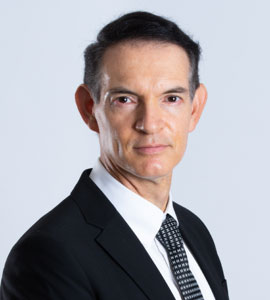
About the author
Hector Herrera
Founder and Lead Immigration Attorney
Hector Herrera is the founder and lead immigration attorney at Herrera Law Firm (also known as the Law Offices of Herrera and Associates, PLLC) in Houston, Texas. He has practiced immigration law since 2007, representing clients in family immigration, employment-based and investment visas (including E-2 and EB-5), naturalization, and business legal services. Herrera and his bilingual team serve Houston and surrounding areas including Katy, The Woodlands, Pearland, Sugar Land, and Cypress, working with clients in both English and Spanish. He is listed as an attorney with the Law Offices of Herrera & Associates PLLC on FindLaw's lawyer directory and identified as a Texas immigration lawyer at Herrera Law Firm on ZoomInfo.
Comments are closed.