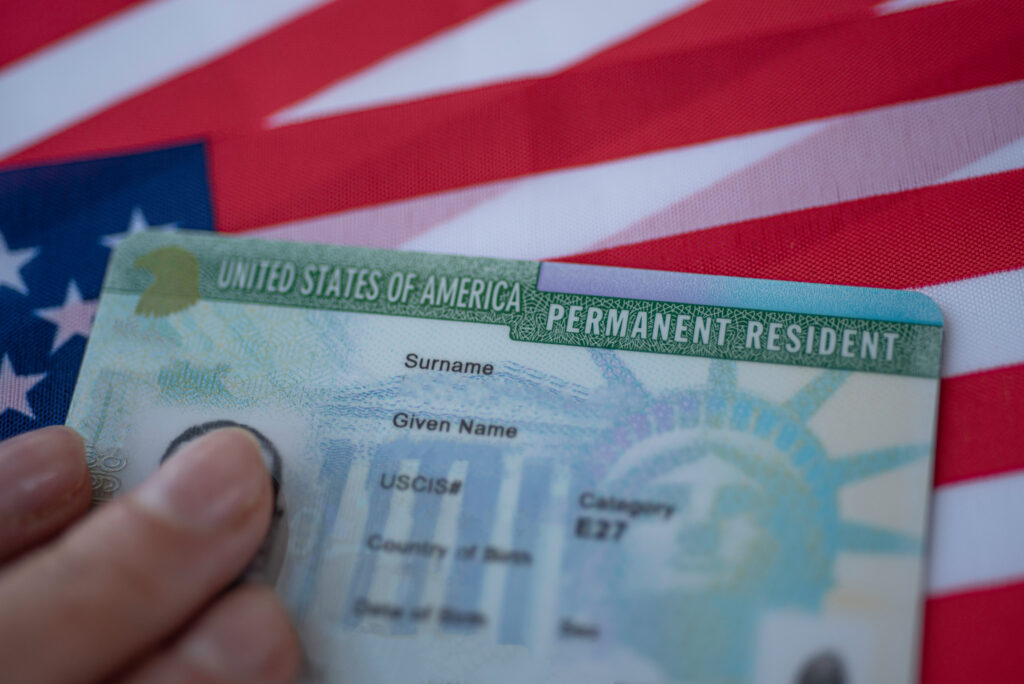
Your 2 year conditional green card has an expiration date, and if you miss it your status ends. That is why the conditional green card removal i-751 process matters more than most people think. The card carries conditions tied to your marriage, and U.S. Citizenship and Immigration Services (USCIS) wants proof that marriage is real. You provide that proof by filing Form I-751, and the petition has to reach USCIS on time. Missing the deadline can terminate your status and lead to removal proceedings, though USCIS may accept a late filing if you show good cause in writing.
At Herrera Law Firm, our bilingual Houston immigration team handles conditional residency matters and knows what USCIS reviewers look for. Our attorneys explain the green card conditions in plain words. Read our permanent residency legal services page for the full picture, and review the official Form I-751 instructions before you start. This guide walks you through every step, so you will learn the deadline, the documents, and the traps, and then remove conditions on green card status with confidence.
1. What Conditional Green Card Status Means
2. Your I-751 Filing Deadline Explained
3. Evidence That Proves a Real Marriage
4. Joint Petition vs Waiver Options
5. After You File Form I-751
6. Green Card Conditions and Common Errors
What Conditional Green Card Status Means
A conditional green card lasts exactly two years. USCIS issues it when your marriage is under two years old. That happens at approval time. So your green card carries conditions from day one. The card looks like a normal green card. But the expiration date tells the real story.
Conditional residents hold the same basic rights. You can work. You can travel. You can live anywhere in the United States. Still, the green card conditions do not disappear on their own. You must file the I-751 petition to remove them. The conditional green card removal step turns temporary status into permanent status.
Many couples confuse this card with the 10 year green card. The 10 year card has no conditions attached. Your 2 year conditional green card does. That difference controls your entire timeline. USCIS explains the permanent resident card rules in simple terms. Read them before your filing window opens.
The green card conditions exist for one reason. Congress wanted to stop marriage fraud. So the two year test gives USCIS a second look. Real couples pass that look easily. But you still need proof.
Who Holds a Conditional Green Card
You hold a conditional green card in two common cases. First, you married a U.S. citizen recently. Second, you married a lawful permanent resident recently. Recently means under two years at approval.
EB-5 investors also receive a conditional green card. Their conditions come off through a different form. But marriage based conditional residents use Form I-751. Your children may hold conditional status too. They can join your I-751 petition as dependents. So one filing often covers the whole family.
Why USCIS Adds Green Card Conditions
USCIS adds conditions to protect the immigration system. The agency checks that your marriage is genuine. Fake marriages harm real applicants. So the conditional green card acts as a checkpoint.
The I-751 review looks backward. Officers study your two years together. They want shared money, shared homes, shared lives. Good records make the conditional green card removal simple. Weak records slow it down. Plus, weak records invite an interview. Start collecting proof the day your green card arrives.
Key Takeaway: Your conditional green card expires in two years and never renews by itself, and only Form I-751 removes the green card conditions. Start by tracking your expiration date now, then build marriage evidence month by month. That habit turns the conditional green card removal into a simple filing, not a crisis.
Your I-751 Filing Deadline Explained
Timing drives the whole conditional green card removal i-751 process. USCIS gives you a 90 day window. That window ends on your green card expiration date. So it opens 90 days before that date. Count backward from the card and mark your calendar.
File too early and USCIS rejects the petition. File too late and problems grow fast. Late filers can lose lawful status. Then removal proceedings may follow. But USCIS can excuse a late I-751 filing for good cause. You must explain the delay in writing.
The green card expiration date sits on the front of your card. Check it today. Then set three reminders. One at 120 days out. One at 90 days out. One at 30 days out. Our Houston attorneys use this same system for clients.
Processing times shift each year. Check current USCIS case processing times before you plan travel. Many I-751 cases now take well over a year. That wait feels long. Still, your status stays valid during the wait.
The 90 Day Filing Window
The 90 day window is strict. Say your green card expires June 30, 2026. Then your window opens around April 1, 2026. Petitions mailed in February get rejected.
Rejected petitions come back with your check. That costs weeks. Meanwhile your green card clock keeps running. So mail your I-751 petition early inside the window. Aim for the first two weeks. That leaves room to fix mistakes. Joint petition filers should sign together before mailing.
Extension Notices and Proof of Status
USCIS sends a receipt notice after filing. That notice extends your green card validity. Recent notices extend status for 48 months. Keep the notice with your expired green card. Together they prove lawful status.
Employers accept this pair for I-9 checks. Airlines usually accept it for reentry too. Still, carry both documents when you travel. Some travelers also request an ADIT stamp. That stamp comes from a local USCIS office.
Evidence That Proves a Real Marriage
Evidence decides most I-751 petitions. USCIS wants proof you built a life together. So think in categories, not stacks of paper. Money, home, family, and time. Cover each one well.
Joint financial records carry the most weight. Bank statements top the list. Add joint tax returns for both years. Then include insurance policies naming each other. Property records help too. A shared lease works when you rent.
Children born during the marriage are strong proof. So are photos across the full two years. Do not send 200 photos from one trip. Send 20 photos from many dates and places. Label each one with date and people.
Affidavits from friends round out the file. Each writer should give real details. Generic letters add little value. Our team reviews evidence packets for Houston clients weekly. We also help couples who are still learning the green card to citizenship path after conditions come off.
Financial Proof for I-751 Filing
Start with joint bank accounts. Print statements from both years. Highlight shared spending. Groceries, rent, and utilities show daily life.
Joint tax returns matter a lot. File as married filing jointly when possible. Then include the transcripts. Add joint credit cards and car loans. Life insurance with your spouse as beneficiary helps. Health insurance under one plan helps too. So does a shared retirement beneficiary form. Money records beat photos every time.
Home and Family Evidence
Your address history should match. Both names on the lease is best. A mortgage works even better. Utility bills in both names help fill gaps.
Birth certificates of shared children are powerful. Include school records listing both parents. Travel records showing trips together add color. Cards and letters from family show community ties. Plus, church or club memberships help. Organize everything by category with a cover index.
Pro Tip: Build a simple evidence index: list each document by category and date, then number every page so nothing gets lost. USCIS officers review many files a day, and a clear index makes your conditional green card removal easier to approve while speeding up any later review of your case.
Joint Petition vs I-751 Waiver Options
Most couples file a joint petition. Both spouses sign the I-751 form. That path is the simplest. But life changes. Divorce happens. Abuse happens. Spouses sometimes refuse to sign.
USCIS allows waivers for these cases. A waiver lets you file alone. You still need proof the marriage was real when made. So the evidence rules stay the same. Only the signature rule changes.
There are four common waiver grounds. Divorce or annulment after a good faith marriage. Abuse or extreme cruelty by your spouse. Extreme hardship if removed from the country. Death of your spouse. Each ground needs its own supporting proof.
Waiver cases need careful legal work. Deadlines also shift for waiver filers. You may file before the 90 day window opens. Our Houston attorneys handle these filings often. Learn more through our immigration law resource blog and its case guides.
Filing a Joint I-751 Petition
The joint petition is the default path. Both spouses sign page five. Both provide personal details. Then you mail one packet with the fee.
Biometrics come next. USCIS schedules fingerprints at a local center. Attend that appointment. Missing it can close your case. Keep copies of everything you mail. Send by tracked mail every time. Then save the delivery proof with your file.
When You Need an I-751 Waiver
Divorce does not end your green card hopes. You can still remove conditions on green card status. File with a divorce waiver instead. Include the final divorce decree.
If the divorce is pending, timing gets tricky. USCIS may issue a notice asking for the decree. Answer it quickly. Abuse based waivers follow special rules. Those files stay confidential. Your abuser gets no notice. So speak with an attorney before filing alone.
Common Mistake to Avoid: Many people wait for a USCIS reminder letter, but that letter may never arrive — USCIS is not required to warn you, and while you wait the card can quietly expire and put your status at risk. Track your own deadline instead, and mark the 90 day window today. Your conditional green card removal depends on your calendar, not their mail.
After You File Form I-751 in 2026
Filing is the start, not the end. USCIS mails a receipt notice first. That notice extends your green card status. Keep it safe. Then biometrics usually follow within two months.
After that comes the long wait. Officers review your evidence packet. Some cases get approved without an interview. Others get scheduled for one. An interview is not a bad sign by itself.
USCIS may send a Request for Evidence. That request lists what is missing. Answer every item in the request. Use the deadline printed on the notice. Late answers can end your case.
Approval brings a 10 year green card. Then your permanent status has no conditions. Many clients move next toward naturalization. Our guide on citizenship processing time explains that next stage clearly.
The I-751 Interview Process
Interviews happen at a local USCIS office. Both spouses usually attend joint petition interviews. The officer asks about daily life. Questions cover routines, family, and finances.
Bring originals of your key documents. Bring your green card and receipt notice. Answer honestly and briefly. Guessing creates problems. Couples sometimes face separate questioning. That happens when doubts exist. Preparation with an attorney removes most stress.
Travel and Work During Review
You can work while the I-751 petition is pending. Your receipt notice proves work authorization. Show it with the expired green card.
Travel is allowed too. Still, carry both documents abroad. Long trips raise abandonment questions. So keep trips under six months when possible. Also check reentry rules at travel.state.gov before booking. Update your address with USCIS within ten days of moving.
What This Means for You: Your conditional green card removal timeline is yours to manage. Start evidence collection early. File inside the 90 day window. Then answer every USCIS notice fast. Most honest couples clear this stage without trouble. But paperwork gaps cause delays. So treat the I-751 petition as a two year project. Small steps each month build a strong file. That approach protects your permanent residency.
Your 2 year conditional green card has one job: to prove your marriage over time, and the conditional green card removal i-751 petition finishes that job. Watch your expiration date closely. If you and your spouse file jointly, file within the 90 days before the card expires; if you file a waiver after a marriage ends, you can file at any time until a final order of removal. Either way, send strong, organized marriage evidence, because honest, well-documented proof is what carries these cases.
At Herrera Law Firm, our bilingual Houston immigration team explains green card conditions in English and Spanish. We review evidence, prepare petitions, and handle interviews. Start with our Houston immigration lawyer services and let us map your next step, or contact our Houston office to book a consultation about your I-751 filing. Your permanent green card is worth the preparation.
This article is general information, not legal advice. Immigration cases turn on individual facts, so consult a licensed attorney about your specific situation.
Expert Insight from Hector Herrera, Lead Immigration Attorney at Herrera Law Firm: “Couples lose I-751 cases on paperwork, not on love. The marriage is real, but the file is thin. So we tell every client the same thing: save joint records from month one. Bank statements, leases, tax returns. Then the conditional green card removal becomes routine. We have used that method with Houston families for years.”
Key Takeaway: If you and your spouse file jointly, file Form I-751 in the 90 day window before your conditional green card expires; waiver filers, such as after a divorce, can file at any time until a final order of removal. Send strong financial, home, and family evidence, and keep your receipt notice with the expired card. Answer every USCIS request on time. That is how conditional green card removal succeeds.
Frequently Asked Questions
When do I file for conditional green card removal i-751?
File during the 90 days before your green card expires. That window is strict. Early filings get rejected. Late filings risk your status. So check the green card expiration date today. Then mark the window on your calendar. Mail the petition early inside it.
What happens if my conditional green card expires first?
An expired conditional green card ends your lawful status. Removal proceedings may start. But USCIS can excuse late filings for good cause. You must explain the delay clearly. So file immediately and attach a written reason. An attorney should review late green card cases.
Can I remove conditions on green card after divorce?
Yes. You file the I-751 petition with a divorce waiver. Your spouse does not sign. But you must prove the marriage was real. Include the final divorce decree. Then send the same green card evidence a joint petition needs.
How long does I-751 removal of conditions 2026 take?
Processing times change often. Many I-751 cases take over a year. Some take longer with interviews. Your receipt notice extends green card status meanwhile. So check current USCIS times before planning travel. Then keep your notice and expired card together.
Do I need an interview for form i-751 filing?
Not always. USCIS waives many I-751 interviews. Strong evidence makes waiver more likely. But officers can schedule one anytime. An interview is not automatically bad. So prepare your green card documents and answer honestly. Attorney preparation helps couples stay calm.
Step-by-Step Conditional Green Card Removal I-751 Process
Ten Steps to Remove Green Card Conditions
1. Check your conditional green card expiration date now
2. Mark the 90 day I-751 filing window
3. Collect joint bank and tax records
4. Gather lease, mortgage, and utility documents
5. Choose joint petition or I-751 waiver path
6. Complete Form I-751 with both signatures
7. Build an indexed green card evidence packet
8. Mail the petition with the correct fee
9. Attend your USCIS biometrics appointment promptly
10. Answer every notice and attend any interview
Quick Reference: What Is Conditional Green Card Removal I-751?
Conditional green card removal is a USCIS process. It uses Form I-751. The petition removes conditions from a 2 year conditional green card. Marriage based residents file it. So do their conditional children. You file in the 90 days before the green card expires. Then USCIS reviews your marriage evidence. Approval brings a 10 year permanent green card. Couples usually file a joint petition. Waivers exist after divorce, abuse, or a spouse’s death.
Additional Resources
• Permanent residency legal services: our main green card hub page explains conditional and permanent status paths for Houston families filing marriage based petitions.
• Citizenship eligibility guide 2026: learn who qualifies for naturalization after green card conditions come off and your permanent status begins.
• Citizenship processing time guide: see how long each stage takes after conditional green card removal, from filing through the naturalization interview.
• Herrera Law Firm blog: browse plain language immigration guides covering green card petitions, visas, and USCIS filing deadlines each year.
Reviewed by Hector Herrera, Founder and Lead Immigration Attorney · Updated

About the author
Hector Herrera
Founder and Lead Immigration Attorney
Hector Herrera is the founder and lead immigration attorney at Herrera Law Firm (also known as the Law Offices of Herrera and Associates, PLLC) in Houston, Texas. He has practiced immigration law since 2007, representing clients in family immigration, employment-based and investment visas (including E-2 and EB-5), and naturalization. Herrera and his bilingual team serve Houston and surrounding areas including Katy, The Woodlands, Pearland, Sugar Land, and Cypress, working with clients in both English and Spanish. He is listed as an attorney with the Law Offices of Herrera & Associates PLLC on FindLaw's lawyer directory and identified as a Texas immigration lawyer at Herrera Law Firm on ZoomInfo.
Comments are closed.