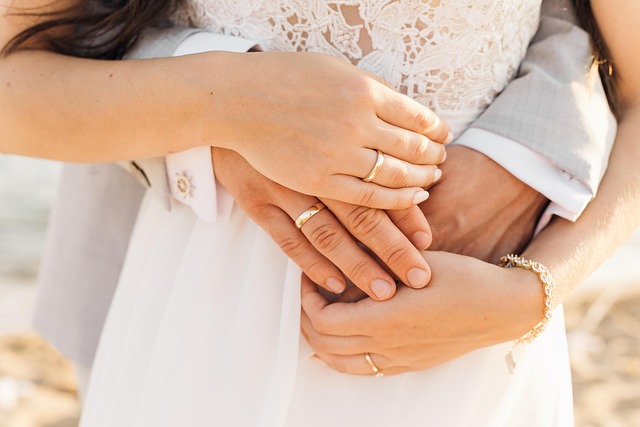
Being apart from the person you love is hard. You want them here now, not months from now. Many couples ask our family immigration attorneys in Houston the same question first. The fiance visa vs marriage visa decision shapes your timeline, your budget, and your stress level. So, which path gets your partner here faster? A K-1 fiance visa moves your partner to the U.S. before the wedding. A marriage green card, though, follows a different path with no 90-day deadline.
Hector Herrera, immigration attorney at Herrera Law Firm, has guided Houston families through both routes. Fiance visa cases move fast at first, but marriage visa cases skip a wedding deadline. This guide compares the K1 visa vs spouse visa paths and the tradeoffs each choice brings.
Fiance Visa vs Marriage Visa: The Core Differences
The fiance visa vs marriage visa choice starts with one fact. A fiance visa brings your partner here on a K-1 visa before you marry. A marriage visa, though, requires the wedding first. Then you file for a green card as a married couple. Both paths lead to the same result: your spouse living with you in the U.S. But the order of events changes everything else.
So, which visa fits your case? It depends on where you and your partner live right now. If your fiance lives abroad and you’re not married yet, the K-1 fiance visa route often moves first. If you’re already married, the marriage visa path is your only real option. Understanding both routes helps you plan with confidence.
What Is a K-1 Fiance Visa?
A K-1 fiance visa lets your foreign fiance enter the U.S. to marry you. USCIS approves the initial fiance visa petition before your partner travels. Once your fiance arrives, you must marry within 90 days. After the wedding, your spouse applies to adjust status and get a green card. This fiance visa route works well for couples who aren’t married yet and want their partner here sooner. But the clock starts ticking the moment your fiance lands. Missing the 90-day window can end the process. Because of this, couples need a clear plan before they file.
What Is a Marriage-Based Green Card?
A marriage visa works differently. You marry first, wherever that makes sense for your family. Then your spouse applies for a green card through marriage. If your spouse already lives in the U.S., this often means filing for adjustment of status. If they live abroad, they go through consular processing instead. This marriage green card path skips the 90-day fiance visa deadline. Yet it can take longer overall, since marriage plus a full green card process both happen before your spouse gets permanent status. Many couples pick this route when they’re already married or want to avoid rushing the wedding.
Key Takeaway: A fiance visa gets your partner here before marriage, but forces a 90-day wedding deadline. A marriage visa removes that deadline pressure, though it often takes longer start to finish. Your best fit depends on where your partner lives now and how soon you plan to marry.
Timeline: How Fast Is a K1 Visa vs Spouse Visa?
Timing drives most fiance visa vs marriage visa decisions. Couples want their partner home fast, and that’s fair. Right now, a K-1 fiance visa often clears USCIS in about seven to twelve months. After that, your fiance still needs a visa interview and travel time. Then the 90-day marriage clock starts. Add adjustment of status after the wedding, and total time to a green card often runs close to eighteen months.
A marriage visa case moves on a separate track. Spouses inside the country often wait twelve to eighteen months for adjustment of status, based on trends from our immigration processing time guide. Spouses abroad may wait longer for a consular interview. So, the K1 visa vs spouse visa timeline gap often shrinks once you count every step.
K-1 Fiance Visa Timeline Step by Step
First, USCIS reviews your I-129F petition. That step alone can take several months. Next, your fiance attends a visa interview abroad. Then they travel to the U.S. and you marry within 90 days. Finally, your spouse files for adjustment of status. Each step adds weeks or months. Delays at any stage push the whole fiance visa timeline back further.
Marriage Visa Timeline Step by Step
A marriage visa starts with your wedding, not a petition. After that, you file the marriage-based petition and, often, an adjustment of status application together. USCIS schedules a biometrics appointment, then an interview. Processing speed depends heavily on your local field office. Some couples finish in a year. Others wait longer, especially if their case needs extra evidence.
Costs: Fiance Visa vs Marriage Green Card Fees
Money matters just as much as timing. A fiance visa costs less upfront but adds fees later. Filing the I-129F petition costs several hundred dollars. Then your fiance pays a visa fee before their interview. After the wedding, adjustment of status brings its own government fees. Added together, the full fiance visa path often costs more than couples expect.
A marriage visa follows a similar fee structure, minus the fiance visa filing step. You pay for the marriage-based petition, then adjustment of status or consular processing fees. Because you skip the fiance visa stage entirely, some couples save money overall. Full details on current government fees live on the State Department’s family immigration page, which we check often for our clients.
K-1 Visa Cost Breakdown
Your K-1 fiance visa cost starts with the I-129F filing fee. Add the visa application fee your fiance pays abroad. Then add the adjustment of status fee after your wedding. Medical exams and translation costs add more. Most couples should budget several thousand dollars total for the full fiance visa process, attorney fees included.
Marriage Green Card Cost Breakdown
A marriage visa case usually involves one main petition fee, plus adjustment of status or consular fees. You’ll also pay for a medical exam and, often, translations. Because there’s no separate fiance visa step, total marriage visa costs can land lower. But every case differs, so a clear budget matters before you file anything.
Pro Tip: Before you file, get a full fee breakdown, not just filing costs. Medical exams, translations, and travel add up fast. A clear, upfront breakdown of every expected cost prevents budget surprises later.
Fiance Visa vs Green Card: Which Fits You?
So, how do you choose? Start with your relationship status today. If you’re not married and your partner lives abroad, a fiance visa often makes sense. It lets your partner arrive sooner, even though the 90-day clock adds pressure. If you’re already married, the marriage visa path is your route forward, no debate needed.
Next, think about how fast you truly need your partner here. A fiance visa vs green card comparison usually favors the fiance visa when speed to arrival matters most. But if you’d rather marry abroad first and skip the 90-day rush, the marriage visa route may suit your family better. There’s no single right answer for every couple.
Good Fit for a Fiance Visa
A fiance visa often fits couples who aren’t married, want a U.S. wedding, and need their partner here within a year. It also suits couples who met while one partner studied or worked abroad. If your relationship history is well documented, this route tends to move smoothly.
Good Fit for a Marriage Visa
A marriage visa fits couples who married abroad already or plan to. It also suits spouses currently living in the U.S. on another visa type. Because there’s no fiance visa deadline, this path gives couples more breathing room to gather documents and prepare a strong citizenship eligibility case down the road.
Common Mistake to Avoid: Many couples file for a fiance visa without a firm wedding plan. U.S. Citizenship and Immigration Services (USCIS) expects proof you’ll marry within 90 days of arrival. Waiting too long, or skipping the wedding, can jeopardize your partner’s ability to stay. Always confirm your marriage timeline before you file the fiance visa petition.
Risks and Requirements for Each Visa Path
Every immigration path carries some risk. Fiance visa risks center on that firm 90-day deadline. Miss it, and your partner falls out of status fast. You’ll also need strong proof your relationship is real, not just paperwork. USCIS reviews photos, messages, and travel history closely.
A marriage visa carries different risks. USCIS still checks that your marriage is genuine, not just a path to a green card. Interviews can dig into your daily life together. Because of this, couples on either path need solid documentation from day one. Good records make both routes smoother.
K-1 Visa Requirements You Must Meet
You must prove you and your fiance met in person within the last two years, with limited exceptions. You’ll also need proof of a genuine relationship and evidence you’re both free to marry. Income requirements apply too, so your sponsor must meet minimum earnings for the household size.
Marriage Visa Requirements and Adjustment
A marriage visa case needs a valid marriage certificate, proof the marriage is real, and a sponsor who meets income rules. If your spouse lives in the U.S. legally, adjustment of status lets them stay here during processing. Review the standards USCIS applies through the American Immigration Council’s family immigration research, which tracks policy changes closely.
What This Means for You: Whichever path you choose, documentation makes or breaks your case. Gather proof of your relationship early: photos, messages, travel records, and joint plans. Missing evidence causes delays no matter which visa you pick. A fiance visa rewards speed and a firm wedding plan. A marriage visa rewards couples ready to build their paper trail over a longer runway. Either way, preparation shortens your wait.
So, which wins the fiance visa vs marriage visa debate? Neither path is universally faster. A fiance visa can bring your partner here sooner, but that 90-day wedding deadline adds real pressure. A marriage visa removes that rush, though the full process often takes just as long, sometimes longer. Your best choice depends on your relationship today, your timeline, and how much risk you’re willing to carry.
Every family’s situation is different, and small mistakes cost real time. That’s why we recommend a family immigration consultation before you file anything. Book a consultation to map the faster, lower-risk reunification path for your relationship. Our bilingual team has guided Houston families through both routes, and we’re ready to help you choose with confidence. This guide is general information, not legal advice; consult an immigration attorney about your specific situation.
Expert Insight from Hector Herrera, Immigration Attorney: Couples often assume the fiance visa is always faster. In practice, the gap narrows once you add the wedding, adjustment of status, and interview scheduling. What matters most is documentation. Families who gather proof of their relationship early, before they ever file, move through either the fiance visa or marriage visa process with far fewer delays and far less stress.
Frequently Asked Questions
What's the main difference in a fiance visa vs marriage visa?
A fiance visa brings your partner here before marriage, with a 90-day wedding deadline. A marriage visa requires you to marry first. So, the fiance visa route front-loads travel, while the marriage visa route front-loads the wedding. Both end in a green card.
Is a K1 visa vs spouse visa faster overall?
Often, yes, at first. A fiance visa can get your partner here in under a year. But add the wedding and adjustment of status, and total time often matches a marriage visa case. So, neither option guarantees a faster path to a green card.
Can I switch from a fiance visa to a marriage visa?
Not directly. Once your fiance enters on a K-1 fiance visa, you must marry within 90 days. After that, your spouse applies for adjustment of status, not a new marriage visa petition. The fiance visa route always leads into marriage-based adjustment.
Does a fiance visa vs green card comparison favor speed?
Usually, yes, for early arrival. A fiance visa gets your partner physically here faster than waiting abroad for a marriage-based green card. Still, total processing time can even out. Talk with an immigration attorney about your specific fiance visa timeline before deciding.
Which costs less, a fiance visa or a marriage visa?
A marriage visa often costs less overall since it skips the separate fiance visa filing step. But every case differs based on where your spouse lives. Ask for a full fee breakdown covering both the fiance visa and marriage visa paths before you file.
Step-by-Step Process
Step-by-Step Fiance Visa vs Marriage Visa Process
1. Decide if you’re marrying now or after your fiance arrives.
2. File Form I-129F to start the fiance visa process.
3. Gather proof of your real relationship and travel history.
4. Attend the fiance visa interview at a U.S. embassy abroad.
5. Marry your partner within 90 days of their arrival.
6. Or marry first, then file the marriage visa petition.
7. Submit adjustment of status or consular processing paperwork.
8. Complete biometrics and prepare for your green card interview.
9. Attend your interview and answer questions about your marriage.
10. Receive your green card and plan for future citizenship steps.
Quick Reference: What Is Fiance Visa vs Marriage Visa?
A fiance visa, called a K-1 visa, lets an engaged partner enter the U.S. before marriage. The couple must marry within 90 days. A marriage visa, also called a marriage-based green card, applies after a couple is already married. So, the core difference is timing: one happens before the wedding, the other after. Both paths lead to a green card. But the fiance visa route adds a strict deadline. The marriage visa route removes that deadline, though it can take a similar amount of time start to finish. Most couples choose based on their current marital status and how fast they need their partner here.
Additional Resources
Curious what citizenship looks like after your green card? Our guide on U.S. citizenship rights and benefits explains what changes once you naturalize.
Wondering why citizenship matters long term? Read about the benefits of becoming a U.S. citizen and how it protects your family’s future.
Worried about keeping your status secure? Learn how U.S. citizenship can be lost and the legal protections you should know.
Reviewed by Hector Herrera, Founder and Lead Immigration Attorney · Updated

About the author
Hector Herrera
Founder and Lead Immigration Attorney
Hector Herrera is the founder and lead immigration attorney at Herrera Law Firm (also known as the Law Offices of Herrera and Associates, PLLC) in Houston, Texas. He has practiced immigration law since 2007, representing clients in family immigration, employment-based and investment visas (including E-2 and EB-5), and naturalization. Herrera and his bilingual team serve Houston and surrounding areas including Katy, The Woodlands, Pearland, Sugar Land, and Cypress, working with clients in both English and Spanish. He is listed as an attorney with the Law Offices of Herrera & Associates PLLC on FindLaw's lawyer directory and identified as a Texas immigration lawyer at Herrera Law Firm on ZoomInfo.
Comments are closed.