
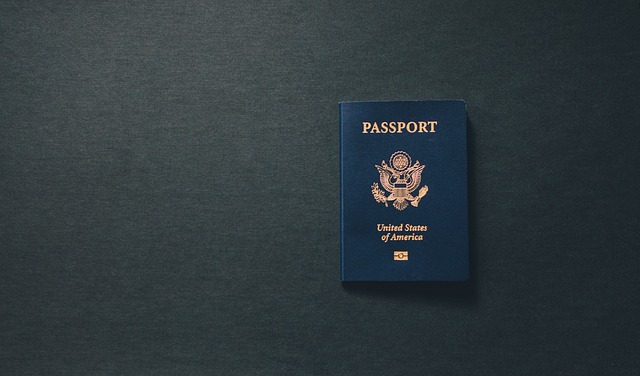
The Trump administration is weighing a change that would require parents to prove their own citizenship or immigration status before their US-born child can get a passport. Reuters first reported the plan in a September 1 exclusive, tying it to the administration’s push to curb birthright citizenship. Under current rules the State Department does not weigh a parent’s own status in a child’s passport review, and its official child passport requirements still apply. The change could delay or block passport issuance for children born to noncitizen or mixed-status parents.
1. What Changed: Child Passport Citizenship Proof
2. Who Is Affected by the New Rule
3. What Parents Should Do Now
4. How Herrera Law Firm Can Help
5. What This Means for Your Family
6. Frequently Asked Questions
What Changed: Child Passport Citizenship Proof Rules
The child passport citizenship proof idea is still a proposal, not a final rule. Reuters reports the administration is considering it, not that it has been issued. Under the plan, a parent would show proof of their own citizenship or lawful status before the State Department issues a passport for their child.
This change ties to the administration’s birthright citizenship push, and Reuters reports no confirmed start date, new form, or fee change for it. For the steps that apply right now, follow the State Department’s official child passport requirements. Families tracking citizenship processing time updates should treat this as a separate, developing issue.
The Birthright Citizenship Connection
This proposal connects to a wider push to limit birthright citizenship for children born to parents without permanent status. Reuters frames the passport proof idea as one tool inside that larger plan.
What Reuters Has Not Confirmed
Reuters has not reported an effective date, a required new form, or any fee change for this idea. Current passport application rules stay in place for now — confirm the latest requirements on the official travel.state.gov page before you apply.
Key Takeaway: The child passport citizenship proof plan is a proposal under consideration, not a rule in effect. It would tie a child’s passport application to proof of the parent’s own status. No start date has been confirmed, so current rules still apply today.
Who Is Affected by the Proposed Passport Checks
The plan targets a specific group: noncitizen parents and mixed-status households, where one parent lacks citizenship or permanent status. Their US-born children are the ones who need the passport, so the parent’s status becomes part of that child’s application review.
This differs from current rules, where a parent’s status plays no role in a child’s passport review. Reuters does not name every category the policy would cover. Parents can review general citizenship eligibility rules to understand how status categories work today.
Mixed-Status Households
A mixed-status household has at least one noncitizen parent. Even though the child is a citizen by birth, this proposal would pull the parent’s own status into the passport review.
US-Born Children of Noncitizen Parents
Children born on US soil are citizens under current law. But their passport application could stall if a parent cannot show proof of citizenship or lawful status.
What Parents Should Do Now
Do not wait to prepare. Parents in mixed-status households should talk to an immigration attorney before submitting a child’s passport application once this policy takes effect.
Start by gathering your own citizenship or immigration documents now, along with your child’s birth certificate and Social Security card. Do not assume your current status is enough proof under a rule that has not been written yet.
Official guidance on proving your status is available through U.S. Citizenship and Immigration Services (USCIS) citizenship resources, which can help you identify the right documents. Understanding what US citizenship requires can help you prepare the right paperwork early, and an attorney can flag any gap before you apply.
Documents to Gather
Collect your birth certificate, naturalization certificate, or green card now, plus your passport if you have one. Set your child’s birth certificate and Social Security card aside too.
Timing Matters
There is no confirmed start date yet. Still, gathering documents early costs nothing. Families who wait until a rule is final may face longer delays at application time.
Pro Tip: Pro tip: keep both parents’ immigration and citizenship documents in one folder, updated and easy to find. If your status has changed since your child’s last passport, note the date. That detail can speed up any future review.
How Herrera Law Firm Can Help
Herrera Law Firm in Houston helps families sort through shifts like this one. Hector Herrera, Lead Immigration Attorney, works with mixed-status households on citizenship and family immigration matters regularly.
Client Stephanie Skibicki described her experience this way: ‘Even though we did our application in a period of uncertainty, the office was extremely helpful every time. They helped us clarify questions, address concerns and responded quickly.’
Current federal guidance on passport applications still applies today, but that could change if this proposal becomes final. If you are unsure how it might affect your family, schedule a consultation with our team before you apply.
Consult Before You Apply
A short consultation now can prevent a denied or delayed application later. Our team reviews your documents and flags gaps before you send anything to the government.
Support Through Uncertainty
Policy proposals shift before they become final rules. We track developments like this one and update clients directly, instead of leaving families to guess.
Common Mistake to Avoid: Common mistake: assuming a policy proposal has no effect until it becomes final. Parents who wait to prepare often scramble once a rule takes effect. Start gathering your citizenship or status proof now, before a sudden passport delay catches you off guard.
What This Means for Your Family
This story is still developing. Reuters reports the administration is considering the change, not that it has finalized one. Nothing about today’s passport process has changed yet.
But the direction is worth watching. If your household includes a noncitizen or mixed-status parent, keep your documents current and reach out to an attorney with specific questions, rather than relying on general news coverage alone.
No Effective Date Yet
Reuters has not reported when this rule might take effect, or whether it will move forward at all. Current passport rules remain unchanged today.
Stay Informed, Not Alarmed
A proposal is not law. Still, mixed-status families benefit from preparing early rather than reacting later under pressure.
What This Means for You: If your family includes a parent without US citizenship, this proposal is worth tracking now. It does not change today’s passport process, but it signals where policy may move next. Gathering your citizenship and status documents early puts you in a stronger position, whatever the final rule requires.
The child passport citizenship proof proposal is not final. Reuters reports the administration is considering it as part of a broader push on birthright citizenship, and the report does not confirm a start date, new form, or fee. Current passport rules still apply for now.
Mixed-status families should not wait for a final rule to prepare. Gather your citizenship or immigration documents, keep your child’s records current, and talk to an attorney before you apply once this policy moves forward. Herrera Law Firm’s team can review your situation and help you plan around the child passport citizenship proof proposal. Visit our Houston immigration law firm to schedule a consultation today.
This article provides general information, not legal advice. Consult a licensed immigration attorney about your specific situation.
Expert Insight from Hector Herrera, Lead Immigration Attorney: This kind of proposal creates real anxiety for mixed-status families, even before it becomes a rule. My advice is simple: don’t wait for a final policy to get your documents in order. Gather proof of your own status now, review your child’s records, and talk to an attorney early. Preparation now prevents a scramble later.
Frequently Asked Questions
What is the child passport citizenship proof proposal Reuters reported?
Reuters reports the administration may require parents to prove their own citizenship or immigration status before their US-born child gets a passport. The plan ties to birthright citizenship curbs. It is not a final rule yet, and no start date has been confirmed.
When will the child passport citizenship proof rule take effect?
Reuters has not reported an effective date for this passport proof change. The story describes a policy under consideration, not one that has been finalized. Current passport application rules stay in place until an official rule is issued.
Which parents does the new passport proof requirement affect?
The proposal mainly affects noncitizen parents and mixed-status households, where one parent lacks citizenship or permanent status. Their US-born children need the passport, so the parent’s own status becomes part of that child’s application review.
What should mixed-status parents do before applying for a passport?
Gather proof of your own citizenship or immigration status now, along with your child’s birth certificate. Then talk to an immigration attorney before you submit an application once this citizenship proof policy takes effect. Early prep prevents delays.
Does this proposal change birthright citizenship itself?
No. Reuters reports this as a passport process change connected to the administration’s broader birthright citizenship curbs. It does not itself redefine who is a citizen. It affects how a citizen child’s passport gets processed.
Step-by-Step Process
10 Steps to Prepare Your Family
1. Locate your own citizenship or immigration status documents.
2. Gather your child’s birth certificate and Social Security card.
3. Check that names match across every document.
4. Note any status changes since your child’s last passport.
5. Make copies of every document before applying.
6. List your specific mixed-status questions.
7. Schedule a consultation with an immigration attorney.
8. Ask about the proof standard for your case.
9. Wait for confirmed rule details before reacting.
10. Follow verified updates on this developing policy.
Quick Reference: What Is Child Passport Citizenship Proof?
Child passport citizenship proof is a proposed US policy. Under it, a parent would show proof of their own citizenship or immigration status before their US-born child gets a passport. It is not yet a final rule. Reuters reported the idea on September 1, 2026, tied to the administration’s birthright citizenship curbs. No effective date has been confirmed.
Additional Resources
• Herrera Law Firm blog: Read ongoing coverage of immigration policy changes, including updates on birthright citizenship and passport rules as they develop.
• Benefits of US citizenship: Understand what citizenship provides your family, including travel, voting, and long-term legal protections.
• Can you lose US citizenship: Learn how citizenship protections work and what circumstances could put status at risk.
Reviewed by Hector Herrera, Founder and Lead Immigration Attorney · Updated

About the author
Founder and Lead Immigration Attorney
Hector Herrera is the founder and lead immigration attorney of Herrera Law Firm (Law Offices of Herrera & Associates, PLLC) in Houston, Texas. He has been licensed by the State Bar of Texas since November 2007 and is admitted to practice before the U.S. District Court for the Southern District of Texas. He is a member of the American Immigration Lawyers Association (AILA) and the Texas Bar College. Born in Mexico City and bilingual in English and Spanish, he focuses his practice on family, employment-based and investment immigration and on naturalization. His team at Herrera Law Firm includes attorney Matilda Rhoda Matiru, who is Board Certified in Immigration & Nationality Law by the Texas Board of Legal Specialization.